
Services
Step towards mental fitness
Services
We pride ourselves as a trauma Informed practise and work with clients presenting complex trauma. We strongly believe that therapy is not only for managing poor mental health but realising our real potential and connecting with our higher meaning to life.
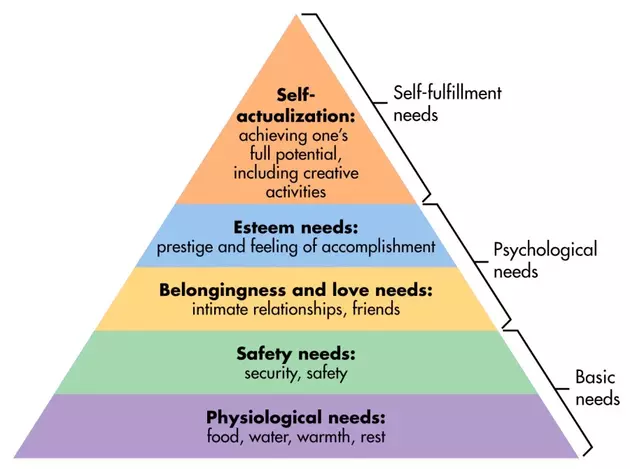
You can expect some of your therapy goals to be based on man’s hierarchy of needs developed by Psychologist Abraham Maslow.
Diversity of Client Work
We provide evidence-based treatments for all age groups, gender orientation and cultural backgrounds.
We understand that it is not easy to talk to a stranger and express your personal concerns. Opening may take time and we assure you to provide a non-judgmental space and encourage your step forward in dealing with mental health.
The first session is about knowing your therapist and finding the right fit. It also includes assessment of your current and previous concerns to get a consolidated understanding of barriers towards your mental health, addressing short- and long-term goals. Some of the questions discussed in the first session are:
- Present symptoms, duration and intensity.
- Family background- history of mental health issues.
- Timeline of significant personal events causing distress.
- Expectations from your therapist and goals to treatment.
- Tentative number of sessions required and treatment approach.
Identifying some common symptoms of psychological distress:
- Not feel like talking to others
- Changed appetite, losing or gaining weight
- Sleep issues- under sleeping/oversleeping/nightmares/midnight awakening
- Change in mood, difficulty regulating mood
- Increased worry, negative thoughts
- Concentration and memory troubles
- Physiological issues with no significant sign of physical illness like pain in the body, increased heart palpitations, breathing difficulties, muscle tension
Click this link to know your current mental health status using the K10 which is a checklist to measure anxiety and depression.
Change how you think
- Thoughts can be understood by ABC approach (Beck’s cognitive Behavior Therapy concept)
- Activating event- stimulus or trigger, situation that activates the problem
- Belief- what we believe or think about the situation
- Consequence- the end result of our thinking
- We have a power to shift our thoughts to receive the choices/results that we want in our lives.
Practice mindfulness
- Mindfulness is the art to “be in the present” without jumping to think forward or backward. Daily mindfulness of 2 minutes can improve our quality of living.
Get outside- sun and nature
- Spending outdoors, going for a nature walk or sitting in the sun increases body’s serotonin level – a natural way to increase chemical that helps in regulating mood
Emotion awareness
- Emotions are like waves of the ocean, a natural part of our being. To be able to recognize, respond and recover from our emotions lead to a greater acceptance of the normality of positive and negative emotions in our lives. 6 common emotions we feel are: happiness, sadness, anger, disgust, surprise and fear
Increasing self-care – (balanced diet, sleep hygiene and staying active)
- Taking good care of ourselves is not a selfish act but a protective act to improve our life quality, keep away from illness and increase our compassion towards helping others.
It’s Ok to talk to a therapist
- Mental health holds stigma and many myths associated along that make us fearful talking to a professional and restricts our growth. Mental health is as important as our physical health. Mental Health professionals are part of our community who pairs with you to work together on goals to improve mental health.
